
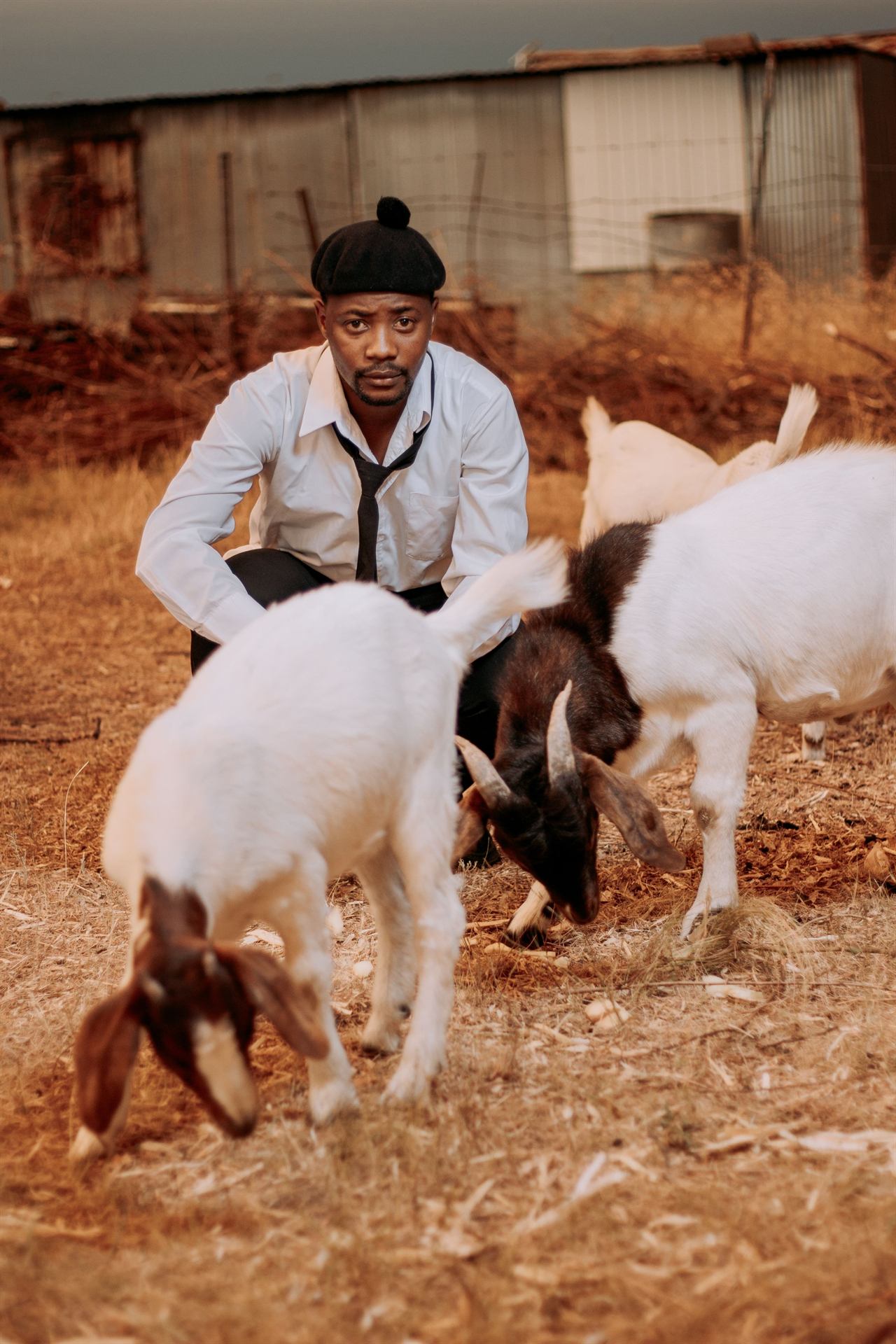
Start goat farming in Zimbabwe: the seven steps
Start with a plan, then a breed, then the farm, then the goats: that order saves money. Most GBAZ members begin with 10 to 20 indigenous or cross does and one meat-breed buck, and feed, not purchase price, is the cost that decides whether it works.
If you have never kept goats, read the seven steps in order and do not buy animals until step 4. The first three steps take a few weeks and cost almost nothing; skipping them is why many first herds lose kids in the first rainy season.
Plan
Is it a business for you; herd size for your land and budget; the two production systems; a one-year calendar; where the money goes (feed is 60 to 70 percent).
Choose a breed
Meat growth (Boer, Kalahari Red, Savanna), a hardy dam line (Mashona, Matebele), a crossbreeding plan or dairy. Pick a breed, then read its standard.
Get the farm ready
Fencing and the buck camp, shelter and kidding pens, water, troughs, a quarantine pen, a health kit and the district vet contact. Printable checklist.
Buy your first goats
What to check before paying, price ranges and what drives them, registered or unregistered, the movement permit and transport, quarantine on arrival.
Record and register
Start the register on day one; what to record; the Herd Book pathway for anyone who wants to sell breeding stock; what registration costs.
Join and learn
Membership categories, how to send the form and proof of payment, what you get, the next training event and the Indaba.
Sell
Channels: the directory, the marketplace, the Indaba market, abattoirs, open markets and auctions when they return; value addition; the export cluster.
The seven steps in one page
If you have never kept goats, read the seven steps in order and do not buy animals until step 4. The first three steps (plan, choose a breed, get the farm ready) take a few weeks and cost almost nothing; skipping them is why many first herds lose kids in the first rainy season.
- Plan. Is it a business for you; herd size for your land and budget; the two production systems (indigenous or cross does with a meat-breed buck, or a pure stud); a one-year calendar; where the money goes (feed is 60 to 70 percent). Ends with the breeding planner.
- Choose a breed. Meat growth (Boer, Kalahari Red, Savanna), a hardy dam line (Mashona, Matebele), a crossbreeding plan, or dairy. Ends with picking a breed and reading its standard.
- Get the farm ready. Fencing and the buck camp, shelter and kidding pens, water, troughs, a quarantine pen, a health kit and the district vet contact. Ends with the printable checklist.
- Buy your first goats. What to check before paying, price ranges and what drives them, registered or unregistered, the movement permit and transport, quarantine on arrival. Ends with the breeder directory.
- Record and register. Start the register on day one; what to record; the Herd Book pathway for anyone who wants to sell breeding stock; what registration costs. Ends with the Excel template or the portal.
- Join and learn. Membership categories, how to send the form and proof of payment, what you get, the next training event and the Indaba. Ends with the online application.
- Sell. Channels: the directory, the marketplace, the Indaba market, abattoirs, open markets and auctions when they return; value addition; the export cluster. Ends with placing a listing.
A goat project, whether for a household, a group or a youth scheme, follows the same path as a commercial herd: plan the feed and water first, choose hardy local does with a good buck, and keep a register from day one. The pass-on schemes reported from Mwenezi, Gwanda and Binga grew from five to ten animals because the feed and housing were ready before the goats arrived.